How to Spot Fake Football Cards: A Guide for Buyers on footballcards.co.uk
Football cards have been a popular collectible for fans of the sport for decades. Whether you're a seasoned collector or just starting out, it's important to be able to spot fake football cards to ensure you're getting the real deal. With the rise of online marketplaces, buying football cards has become easier than ever, but it has also made it easier for scammers to sell counterfeit cards. In this guide, we'll walk you through some tips on how to spot fake football cards so you can buy with confidence on footballcards.co.uk.
1. Check the Card's Authenticity
One of the first things you should do when buying a football card is to check its authenticity. Look for any official logos or holograms that indicate the card is legitimate. Many football card manufacturers, such as Panini and Topps, have specific markings on their cards to prove their authenticity. If the card lacks these markings, it's likely a fake.
Additionally, compare the card in question to images of authentic cards online. Look for any discrepancies in the design, font, or coloring that could indicate a fake. Pay close attention to details such as player photos, team logos, and card numbers. If anything looks off, it's best to err on the side of caution and avoid purchasing the card.
People Also Look For:
- World Football Stars Trading Cards Collection, Holographic Design, 55-Piece Set, Multi-coloured
- Topps Premier League 2026 - Debut Edition - Mega Tin (Big Game Baller). Contains 40 cards plus 3 Big Game Baller LE cards.
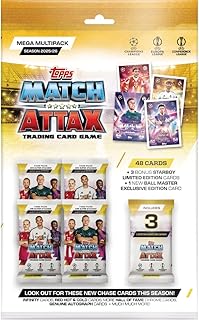
- Topps UCC Match Attax 2025/26 - Mega Tin - Battlers - contains 45 Match Attax cards plus 3 exclusive Gladiators LE cards.
- 55Pcs Gold Foil 2025 Footbal Cards for Gift Collection for Boys and Girls, Cover Randomly Sent
- Shuffle Up Football Games - Family Soccer Games with 70+ Fun & Active Fitness Workout Cards, Stocking Fillers, for Kids, Training ...
2. Examine the Card's Condition
The condition of a football card can also be a telltale sign of its authenticity. Fake cards are often produced with lower-quality materials, resulting in poor printing and flimsy cardstock. Take a close look at the card's edges, corners, and surface to check for any signs of wear or damage. Authentic cards are typically made with high-quality materials and have sharp, crisp edges.
Another thing to look out for is the card's glossiness. Authentic football cards have a consistent gloss finish that is uniform across the entire card. If the card appears dull or lacks a glossy sheen, it could be a fake. Be wary of cards that have a grainy texture or uneven finish, as these are common signs of counterfeit cards.
3. Research the Seller
Before making a purchase, it's essential to research the seller to ensure they are reputable. Look for reviews or feedback from other buyers to gauge the seller's credibility. If the seller has a history of selling fake or counterfeit cards, it's best to steer clear and find a more trustworthy source.
Additionally, check if the seller offers a money-back guarantee or return policy in case the card turns out to be fake. Legitimate sellers are typically willing to stand behind the authenticity of their products and offer refunds or exchanges if a card is found to be counterfeit. If the seller is hesitant to provide a guarantee, it could be a red flag that the card is not authentic.
By following these tips, you can protect yourself from falling victim to fake football cards and ensure you're adding genuine collectibles to your collection. Remember to always be vigilant when buying football cards online and trust your instincts if something seems too good to be true. Happy collecting!